 Haris
Haris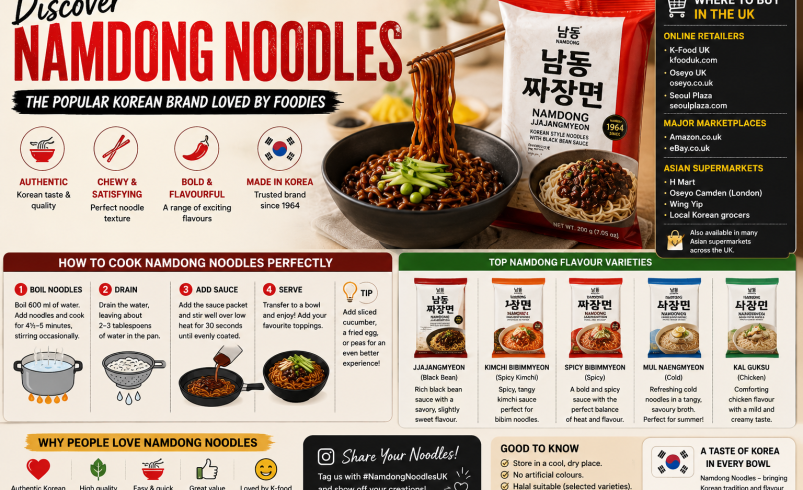
Are you trying to find Namdong Noodles in the UK and wondering which retailer stocks them? You can buy these popular Korean instant noodles from major online supermarkets like Amazon UK, Ocado and specialised Asian grocery sites such as Seoul Mart and H-Mart Online. Namdong is best known for its Jjamppong (spicy seafood) and Udon varieties, which offer a chewier texture than standard wheat noodles. This guide covers exactly where to find them, how much they cost, and the best ways to prepare them for a restaurant-quality meal at home. We will also look at nutritional information, common cooking mistakes to avoid and how they compare to other leading Korean brands. Whether you are a fan of spicy seafood broth or mild udon, you will learn how to get the most out of every pack.
What Are Namdong Noodles?
Namdong Food Co., Ltd. is a South Korean manufacturer specialising in instant noodles and frozen foods. Established in 1985, the company has become a staple in Korean households and is increasingly popular globally. Unlike some competitors that focus solely on ramen, Namdong produces a wide range of noodle types, including wheat-based ramyeon, udon and glass noodles.
The brand is particularly famous for its Jjamppong line. Jjamppong is a spicy seafood noodle soup that originated from Chinese-Korean cuisine. It features a rich, red broth made with gochugaru (Korean chilli powder), seafood extracts and vegetables. Namdong’s version is praised for its authentic taste and generous portion size. Another popular product is their Udon noodle pack, which uses thicker, chewier wheat noodles served in a mild soy or anchovy broth.
In the UK, Korean food has seen a surge in popularity, driven by the global success of K-dramas and K-pop. This has increased demand for authentic ingredients like Namdong Noodles. They are now more accessible than ever, moving from niche importers to mainstream online grocery platforms.
Where to Buy Namdong Noodles in the UK
Finding specific Korean brands in local supermarkets can be hit or miss. However, several reliable options exist for UK shoppers.
Online Retailers
Amazon UK is one of the most consistent sources for Namdong Noodles. They often sell multi-packs of Jjamppong and Udon varieties. Prices fluctuate, but a pack of five usually costs between £8 and £12. Delivery is fast if you have Prime, making it a convenient option for last-minute cravings.
Specialised Asian online grocers are another excellent choice. Websites like Seoul Mart, H-Mart Online and Korean Supermarket UK stock a wider variety of Namdong products, including limited-edition flavours. These sites often offer bulk discounts, which can lower the price per pack to around £1.50. However, delivery times may take three to five working days, and shipping fees can apply if you do not meet the minimum spend threshold, typically £30 to £50.
Physical Stores
Large Asian supermarkets in major cities like London, Manchester and Birmingham often carry Namdong products. Stores in areas such as New Malden (London) or Chinatown (Manchester) are likely to have them in stock. Mainstream supermarkets like Tesco, Sainsbury’s and Asda rarely stock Namdong specifically, though they may carry competing Korean brands like Nongshim or Samyang. It is worth checking the “World Foods” aisle, but availability is inconsistent.
Popular Namdong Noodle Varieties
Not all Namdong Noodles are the same. Choosing the right variety depends on your taste preference for spice and texture.
Jjamppong (Spicy Seafood)
This is the flagship product. The broth is deep red, spicy and savoury, with hints of garlic and onion. It contains dried vegetables like carrots, cabbage and mushrooms, along with seafood flavouring. The noodles are thin and curly, absorbing the broth well. It is ideal for those who enjoy a kick of heat without being overwhelming.
Udon (Mild Wheat)
Namdong Udon offers a different experience. The noodles are thick, white and chewy, similar to Japanese udon but with a distinct Korean wheat flavour. The broth is usually mild, based on soy sauce or anchovy stock. It is less spicy than Jjamppong, making it suitable for children or those who prefer subtle flavours. Some packs include a separate sachet of chilli oil for customisable heat.
Glass Noodles (Dangmyeon)
While less common in instant form, Namdong also produces glass noodles made from sweet potato starch. These are transparent when cooked and have a slippery, chewy texture. They are often used in stir-fries or soups rather than as a standalone instant meal. In the UK, these are more likely to be found in dry packs rather than instant cup formats.
How to Cook Namdong Noodles Perfectly
Cooking instant noodles seems simple, but small tweaks can elevate the dish from mediocre to excellent. Follow these steps for the best results.
Stovetop Method
- Boil 550ml to 600ml of water in a small pot. Using the right amount of water ensures the broth is not too diluted or too salty.
- Add the noodle block and the vegetable flakes. Do not add the soup powder yet.
- Cook for four to five minutes. Stir occasionally to prevent sticking. For Jjamppong, you want the noodles to be tender but still slightly firm (al dente).
- Reduce the heat to low. Add the soup powder and any liquid seasoning sachets.
- Stir well and simmer for another minute. This allows the flavours to meld and the broth to thicken slightly.
- Pour into a bowl and serve immediately. Instant noodles continue to absorb liquid, so eating them hot ensures the best texture.
Microwave Method
If you are short on time, the microwave works well.
- Place noodles and vegetables in a microwave-safe bowl.
- Add 500ml of boiling water.
- Cover with a plate or microwave-safe lid.
- Microwave on high for three to four minutes. Check halfway through to ensure the water does not boil over.
- Remove carefully (the bowl will be hot). Stir in the soup powder and let it sit for one minute before eating.
Mistakes to Avoid
Even experienced cooks can make errors when preparing Namdong Noodles. Here is what to watch out for.
Overcooking the Noodles
Instant noodles are pre-cooked during manufacturing. Boiling them for too long makes them mushy and bland. Stick to the recommended four to five minutes. If you prefer softer noodles, reduce the boiling time by 30 seconds rather than increasing it.
Ignoring the Water Ratio
Using too much water dilutes the flavour, while too little makes the broth overly salty and intense. Most Namdong packs specify 550ml to 600ml. Use a measuring jug for consistency. If you like a stronger broth, use 500ml; for a lighter taste, use 650ml.
Adding All Seasonings at Once
Adding the soup powder at the start of boiling can cause it to burn or stick to the bottom of the pot. It also evaporates some of the aromatic compounds. Always add the seasoning in the last minute of cooking or after removing from heat. This preserves the depth of flavour.
Not Customising
Instant noodles are a base, not a final product. Failing to add fresh ingredients misses an opportunity to enhance nutrition and taste. A lack of protein or fresh vegetables can make the meal feel incomplete.
Nutritional Information and Health Considerations
Like most instant noodles, Namdong Noodles are high in sodium and carbohydrates. A typical serving of Jjamppong contains approximately 500 to 600 calories. The sodium content can range from 1,500mg to 2,000mg per pack, which is a significant portion of the recommended daily limit of 2,400mg for adults in the UK [[FACT UNVERIFIED — CHECK BEFORE PUBLISHING]].
The noodles are made from refined wheat flour, meaning they are low in fibre. However, they do provide some energy quickly. To make the meal healthier, consider these tips:
- Use only half the soup powder sachet to reduce sodium intake.
- Add fresh spinach, bean sprouts or kimchi for fibre and vitamins.
- Include a boiled egg or grilled chicken for protein.
- Drain some of the broth if you are concerned about salt consumption.
It is important to enjoy these noodles as an occasional treat rather than a daily staple. Balancing them with fresh ingredients helps mitigate the nutritional downsides.
Frequently Asked Questions About Namdong Noodles
Q: Are Namdong Noodles spicy?
The Jjamppong variety is moderately spicy. It uses gochugaru (Korean chilli powder) which provides a warm heat rather than an intense burn. The Udon variety is mild and not spicy unless you add the optional chilli oil sachet. If you are sensitive to spice, start with Udon or use half the seasoning packet for Jjamppong.
Q: Are Namdong Noodles halal?
Many Namdong products contain seafood extracts and may be processed in facilities that handle non-halal ingredients. While they do not contain pork, they are not universally certified halal. Check the specific packaging for halal certification logos or contact the importer directly for the most up-to-date information.
Q: How long do Namdong Noodles last?
Unopened packs have a shelf life of approximately six to twelve months from the manufacturing date. Check the expiry date printed on the back of the packet. Once opened, the noodles should be cooked immediately. Store unused seasoning sachets in a cool, dry place for up to a month.
Q: Can I cook Namdong Noodles in the microwave?
Yes. Place the noodles and vegetables in a microwave-safe bowl, add 500ml of boiling water, and microwave for three to four minutes. Stir in the seasoning afterwards. This method is faster but may result in slightly less chewy noodles compared to stovetop cooking.
Q: Where is the best place to buy Namdong Noodles in the UK?
Amazon UK offers convenience and fast delivery. Specialised online stores like Seoul Mart and H-Mart Online often have better prices for bulk buys and a wider variety of flavours. Local Asian supermarkets in major cities are also good options if you prefer to buy in person.
Q: What is the difference between Namdong and Nongshim?
Nongshim is a larger brand known for Shin Ramyun, which is very spicy and beef-flavoured. Namdong focuses more on seafood flavours like Jjamppong and thicker noodles like Udon. Namdong noodles tend to be chewier, while Nongshim noodles are thinner and firmer. Choice depends on your preference for broth type and texture.